
Porcelain Fuses, MCBs & RCDs Explained
A practical New Zealand homeowner guide to old porcelain fuses, modern circuit breakers, RCD protection, RCCBs, RCBOs, SRCDs and portable RCDs.
Quick Answer
Porcelain fuses and MCBs are mainly designed to protect cables from overloads and short circuits. They do not provide the same level of personal electric shock protection as an RCD.
RCDs monitor whether current is leaking away from the circuit, such as through a person to earth. A typical domestic 30mA RCD is designed to disconnect very quickly when that leakage is detected.
The big difference is this: a fuse or MCB may never trip for a small shock current through a person, because the current can be far below the circuit rating. An RCD is specifically designed to respond to that kind of leakage current.
What you will learn
- What old porcelain fuses do
- How MCBs differ from fuses
- Why RCDs protect people differently
- When NZ RCD rules changed
- What RCCBs, RCBOs and SRCDs are
- Where portable RCDs and PRCDs are useful
- Why trip times are not all the same
- What to look for in an older home
Why this matters
Many New Zealand homes still have a mixture of old and new protection: porcelain fuse carriers, plug-in circuit breakers, MCBs, RCCBs, RCBOs, SRCDs or RCD-protected circuits.
The labels can be confusing, but the safety difference is important. Some devices protect cables. Some protect people. Some do both.
Fuse vs MCB vs RCD
| Porcelain fuse | An older overcurrent device. Fuse wire melts when too much current flows. It protects cables from overload and short circuit, but offers very limited electric shock protection. |
| MCB | A resettable miniature circuit breaker. It trips on overload or short circuit and is much easier to reset than a fuse, but it is still not the same as RCD protection. |
| RCD | Residual current device is the broad family name. RCD protection can come as an RCCB, RCBO, SRCD/RCD power point, PRCD/portable RCD or other residual-current device. |
| RCCB | A switchboard RCD device that provides residual current protection only. It must be used with correctly rated MCBs or fuses to provide overcurrent protection for the circuits. |
| RCBO | A combined device that provides both MCB-style overcurrent protection and RCD-style leakage protection for one circuit. |
| SRCD / RCD power point | A socket outlet with built-in RCD protection. Often seen as an older wet-area approach or for localised protection. |
| PRCD / portable RCD | A plug-in or inline RCD used for temporary extra protection, commonly with outdoor tools, extension leads or portable equipment. |
What These Devices Look Like
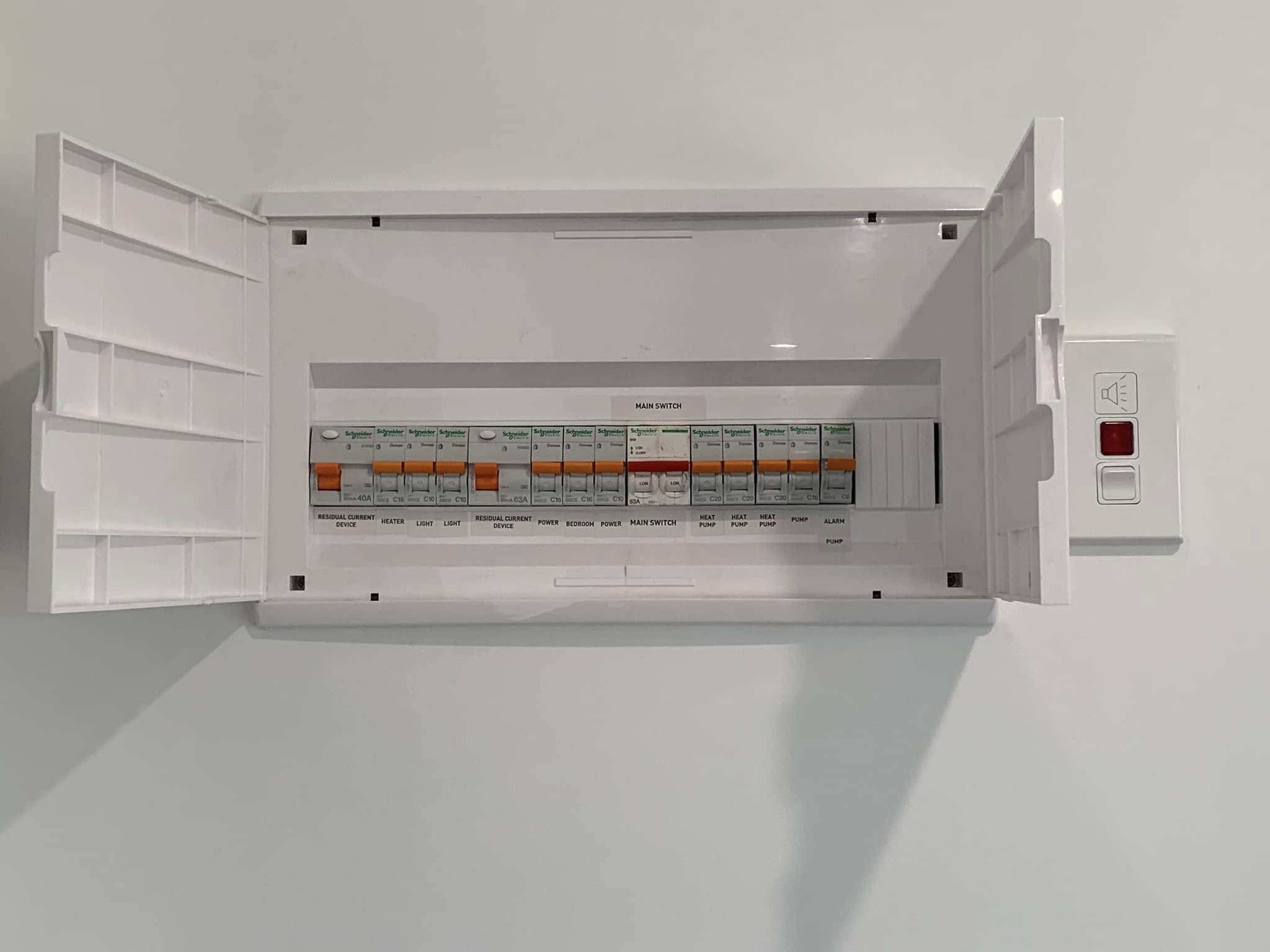
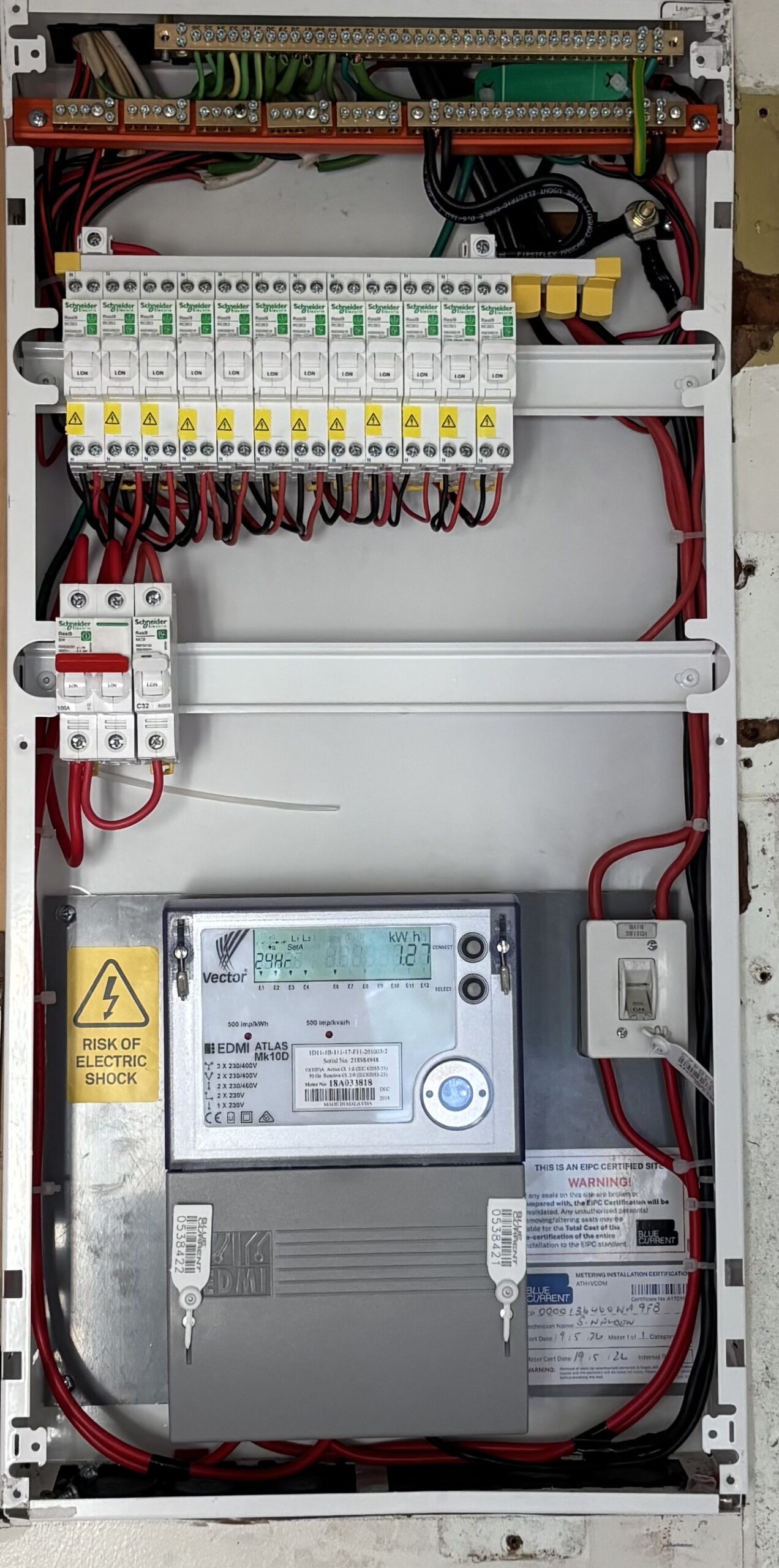
Switchboard parts vary by brand and age, but these examples show the general idea. If your board is old, damaged, crowded or unlabelled, have a licensed electrician check it rather than trying to identify parts behind covers yourself.
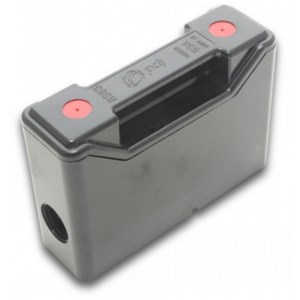
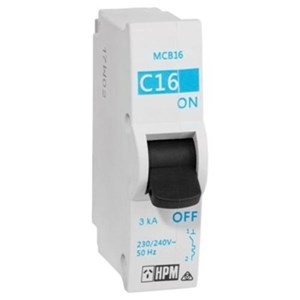
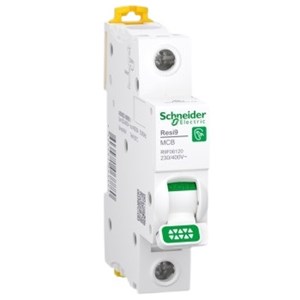
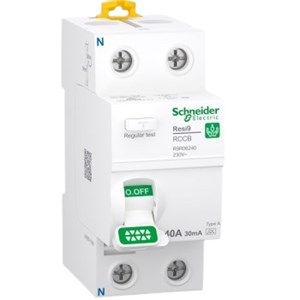
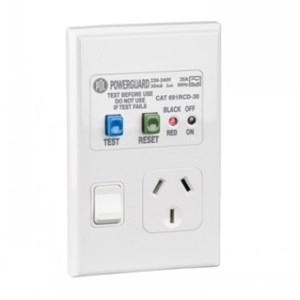
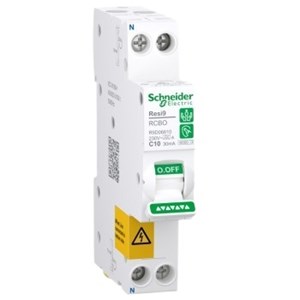
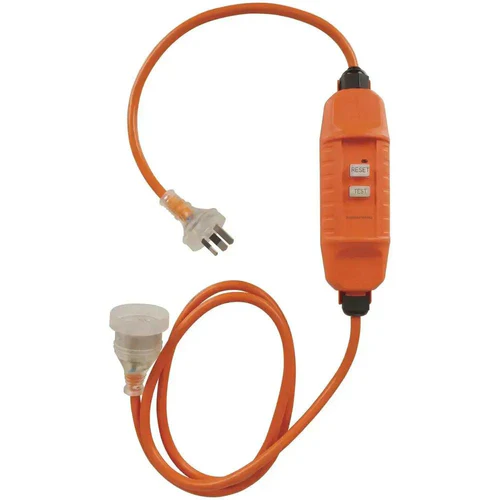
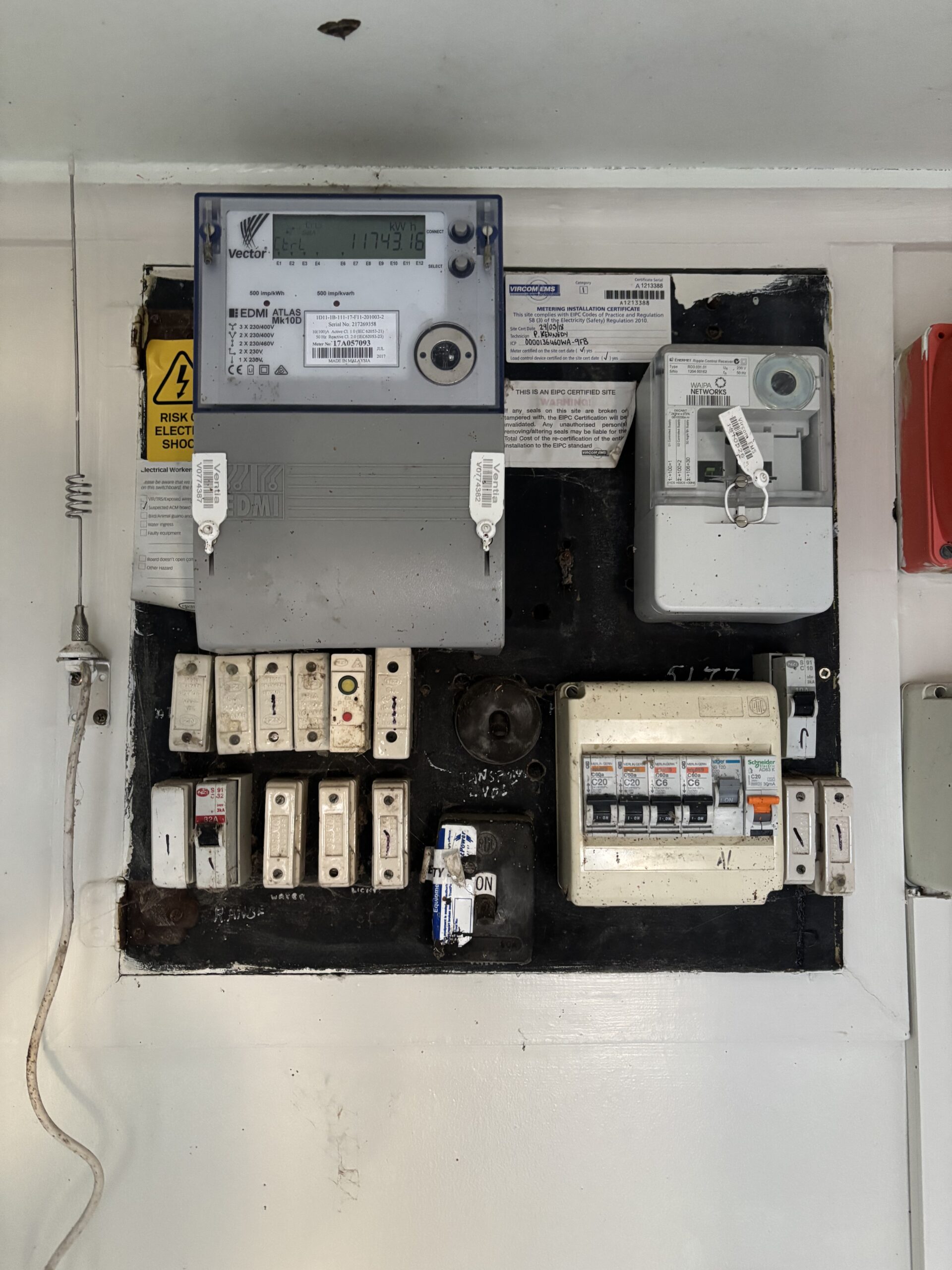
Old, Common and Modern Board Layouts
These examples show why the device type matters. Two switchboards can both “work”, but the level of safety, fault separation and electric shock protection can be very different.
What Are Porcelain Fuses?
Porcelain fuses are older protective devices commonly found in older New Zealand switchboards. They usually contain a small piece of fuse wire inside a removable ceramic carrier.
When too much current flows through the circuit, the fuse wire heats up and melts. This opens the circuit and helps protect the cable from overheating or being damaged by a short circuit.
The important point is that a porcelain fuse is mainly protecting the wiring, not the person. If someone receives an electric shock, the current through the body may be only a small fraction of the fuse rating. That may be enough to seriously injure a person, but not enough to blow the fuse.
Porcelain fuses can also be slow to operate in some fault conditions, especially where the fault current is not high enough to blow the fuse quickly. In older homes, it is also common to find fuse carriers that have been loaded with the wrong fuse wire size, oversized fuse wire, or poorly fitted wire after years of DIY repairs.
What Is an MCB?
An MCB is a miniature circuit breaker. It performs a similar overcurrent job to a fuse, but it is resettable. If it trips, the cause should be checked, then the switch can usually be reset without replacing fuse wire.
MCBs normally respond in two ways. A moderate overload heats a thermal element and trips the breaker after a delay. A large short circuit creates a strong magnetic effect and trips the breaker much faster.
MCBs are a big improvement for convenience and consistency, but they are still not designed as personal shock protection. A 20A MCB is watching for circuit current that is too high for the cable. It is not watching for a 30mA leakage current through a person.
What Is an RCD?
An RCD is a residual current device. RCD protection can come in several forms, including an RCCB, RCBO, SRCD or portable RCD, but the main principle is the same.
The RCD compares the current going out on the active conductor with the current returning on the neutral conductor.
Under normal conditions, the current going out and coming back should be balanced. If some current leaks away, for example through a damaged appliance, wet extension lead or a person to earth, the RCD detects the imbalance and trips.
Most domestic RCD protection is designed around 30mA residual current protection. The idea is to disconnect fast enough to reduce the risk of a serious or fatal electric shock.
The main difference between RCD devices is what else they do. An RCCB provides residual current protection only and needs MCBs or fuses for overcurrent protection. An RCBO combines both functions in one device. An SRCD provides RCD protection at the socket outlet, while a PRCD provides portable RCD protection for tools, leads and temporary use.
From RCD Power Points to Switchboard RCDs
In older homes, it was common to see RCD protection added only where the risk was obvious, such as bathrooms, laundries, wet areas, garages or outdoor power points. Sometimes this was done with an RCD power point or a local RCD unit near the area being protected.
The modern approach is different. From January 2003, new circuits originating at the switchboard and supplying lighting or socket outlets in domestic buildings in New Zealand required RCD protection. In practical terms, this moved RCD protection toward the switchboard, where one RCD or RCBO can protect the wiring and outlets downstream.
This does not mean every older home had to be completely rewired in January 2003. Existing installations can remain in service if they are safe, but new work, new circuits and switchboard upgrades are assessed against the rules that apply at the time of the work.
Later wiring rule updates have continued to strengthen how RCD protection is applied in residential installations. Today, it is normal to see RCDs or RCBOs installed at the switchboard, with ordinary-looking power points throughout the house protected from there.
RCD Power Points, RCCBs, RCBOs, SRCDs and PRCDs
RCD is the broad term homeowners usually hear, but RCD protection comes in several forms. The device may be built into the switchboard, built into a power point, combined with an MCB, or used as a portable inline safety device.
| Device | What it does | Where you may see it |
|---|---|---|
| SRCD / RCD power point | Provides RCD protection at the outlet itself. | Older bathrooms, laundries, garages, outdoor points or specific wet-area upgrades. |
| RCCB | Provides residual current protection only. It must have correctly rated MCBs or fuses connected with it to provide overcurrent protection. | Switchboards, often protecting a group of circuits. |
| RCBO | Combines MCB and RCD functions in one device. | Modern switchboards where individual circuits each have their own combined protection. |
| PRCD / portable RCD | Plugs into an outlet or extension lead to add temporary RCD protection. | Outdoor tools, temporary work, older properties, damp areas and DIY equipment use. |
How Quickly Do Fuses, MCBs and RCDs Trip?
The answer depends on the size and type of fault. Protective devices do not all trip for the same reason.
A fuse or MCB responds to overcurrent. If the current is only slightly above the rating, it may take a long time to operate. If the current is a major short circuit, it should operate much faster.
An RCD responds to leakage current. It is looking for a small imbalance, commonly around 30mA in domestic shock protection, so it can trip even when the total circuit current is nowhere near enough to operate a fuse or MCB.
| Device | Moderate overload | Shock-type fault to earth |
|---|---|---|
| Porcelain fuse | Can take seconds, minutes or longer depending on the overload and fuse wire. | Can be slow in some fault conditions and may not operate at all if the shock current is too small to melt the fuse wire. |
| MCB | Can take a long time on small overloads, but trips quickly on large short circuits. | May not operate at all if the leakage current is far below the MCB rating. |
| RCD | Does not protect against overload by itself. | Designed to trip very quickly when residual leakage current reaches its trip threshold. |
| RCBO | Provides MCB-style overload and short-circuit protection. | Also provides RCD-style leakage protection. |
As a practical example, a 20A MCB may not trip quickly at a small overload. Standards for common MCBs allow a time-current curve where low-level overloads can take a long time, while high fault currents trip the magnetic mechanism almost instantly. Fuses behave the same general way: the more current flowing above the rating, the faster they operate.
Coarse protection vs close protection
Coarse and close protection are terms used for excess-current protection. They are about how accurately a fuse or circuit breaker disconnects when the current rises above the safe rating of the circuit.
Close protection means the device operates more accurately at lower overcurrents. Modern MCBs and correctly selected HRC fuses are examples of close protection because they have predictable operating characteristics and are designed to disconnect before a cable is exposed to prolonged overheating.
Coarse protection means the device is less precise and may allow a higher overcurrent to flow for longer before it operates. Rewireable porcelain fuses are a common example. Their performance depends heavily on the correct fuse wire size, wire material, condition of the carrier and how well the wire has been fitted.
For homeowners, the simple takeaway is that rewireable fuses are old technology. They can be cheap and simple, but they are easier to misuse, less predictable, and can allow a circuit to run overloaded for longer than a modern protective device would. This is one reason older porcelain fuse boards are often upgraded to MCB and RCD, or RCBO, protection.
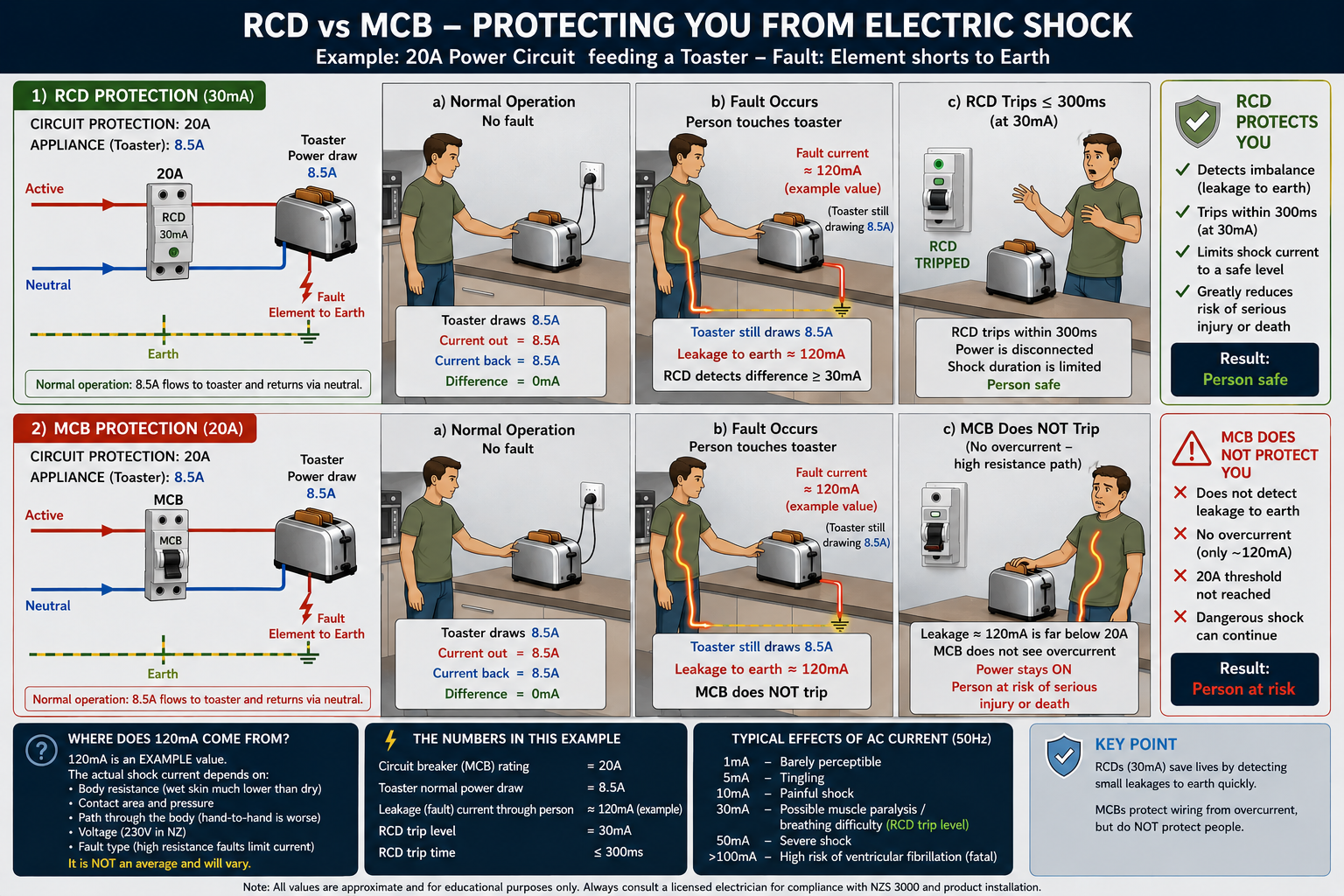
That is why RCD protection is so important. A dangerous shock current through a person can be far below the current needed to blow a fuse or trip an MCB. An RCD is designed to detect that missing current and disconnect much faster.
Why RCDs Offer Far Greater Electric Shock Protection
Old fuses and MCBs are looking for too much current. That is excellent for protecting cables from overheating, but it is not enough for modern personal safety.
A person can receive a serious electric shock at currents far lower than the rating of a normal power circuit. A fuse or MCB may see that as normal load, because from its point of view the circuit is not overloaded.
An RCD looks for imbalance instead. If current leaves the circuit and does not return the normal way, the RCD trips. This is why RCD protection is one of the most important upgrades in an older home.
What Should You Check in an Older Home?
If your home has an older switchboard, porcelain fuses, unlabelled circuits or no obvious RCD test buttons, it is worth having the switchboard assessed.
- Does the switchboard still use porcelain rewireable fuses?
- Are there RCDs or RCBOs with test buttons?
- Are bathrooms, laundry, garage and outdoor outlets RCD protected?
- Are circuits clearly labelled?
- Are any fuse carriers cracked, loose, burnt or damaged?
- Has the home had new power points or circuits added over time?
- Would a switchboard upgrade improve safety and future capacity?
Frequently Asked Questions
Are porcelain fuses illegal?
Not automatically. Older equipment may still exist, but it should be safe, correctly rated and in good condition. Many homeowners choose to upgrade because modern MCBs, RCDs and RCBOs provide better safety and convenience.
Does an MCB protect me from electric shock?
Only in limited situations. An MCB protects against overload and short circuit. It is not designed to detect small leakage currents through a person.
Does an RCD stop all electric shocks?
No. An RCD greatly reduces risk, but it cannot remove all danger. It may not protect against all phase-to-neutral contact situations, and damaged appliances or unsafe wiring still need to be repaired.
What is better, an RCCB or RCBO?
Both can be correct. An RCCB provides residual current protection only and must be installed with correctly rated MCBs or fuses for overcurrent protection. An RCBO combines both functions and usually gives better circuit separation because one fault trips only one circuit.
Should I use a PRCD or portable RCD outside?
Yes, it is a smart extra safety step when using outdoor tools, extension leads or equipment in damp areas, especially if you are unsure whether the outlet is already RCD protected.
Related Guides
These related guides may also help if you are planning electrical upgrades or checking an older home.
Have an older switchboard or no visible RCD protection?
We can check your fuses, MCBs, RCDs and switchboard safety, then explain whether an upgrade is recommended.