
How Much Does a Heat Pump Cost to Run in New Zealand?
A practical New Zealand guide to heat pump running costs, why some homes cost more than others, and how heat pumps compare with fan heaters, oil heaters, gas heating and wood fires.
Quick Answer
For most New Zealand homes, a modern heat pump typically costs somewhere between 20 and 60 cents per hour to operate. The actual cost depends on the unit size, your electricity rate, outdoor temperature, insulation, thermostat setting and how clean and well maintained the system is.
Unlike a fan heater or oil column heater, a heat pump moves heat rather than creating heat directly. That is why it can often deliver around 3–5 units of heat for every 1 unit of electricity it uses.
What you’ll learn
- Typical running costs
- How heat pumps work
- Why COP matters
- Heat pump vs fire
- Heat pump vs gas
- Heat pump vs fan heaters
- Peak vs off-peak power
- Why frost matters
- Correct sizing
- Maintenance
Why this guide is different
There are plenty of articles that say a heat pump costs “around 30 cents an hour.” That answer is too simple. A well-insulated modern home in Hamilton can have a very different running cost from an older draughty villa in the middle of winter. This guide explains why.
Estimate Your Cost — Then Compare Your Options
These calculators are designed to help homeowners understand the big picture. All prices are editable estimates, not fixed quotes. Gas, firewood and installed-price figures vary heavily depending on supplier, appliance, installation complexity, consent requirements, fuel quality and how the system is used.
Calculator #1 — Heat Pump Running Cost Calculator
Enter your own heat pump size, COP, electricity rates and hours used per day.
Calculator #2 — Heat Pump vs Other Heating
Compare 1× 5.4kW heat pump with 2× 2.4kW fan heaters, 2× 2.4kW oil heaters, gas heating and a wood fire.
The cheapest option depends on your fuel cost, but a heat pump usually wins for efficiency, convenience and summer cooling.
Calculator #3 — Peak / Off-Peak Savings
See how running on cheaper electricity periods can change winter heating costs.
Calculator #4 — 10-Year Cost of Ownership
Editable estimated installed prices, fuel use and maintenance allowances.
The Short Version
| Typical running cost | Often around 20–60c per hour depending on the home and electricity rate. |
| Cheaper than fan heaters? | Usually yes, because a heat pump moves heat rather than creating it directly. |
| Cheaper than firewood? | It depends. Free dry firewood is hard to beat. Bought firewood changes the picture. |
| Annual maintenance? | Budget around $180 per year for servicing to help maintain efficiency. |
| Summer cooling? | Yes. This is one of the biggest advantages over fires and gas heaters. |
Why Running Costs Matter
You have probably heard people say things like, “My heat pump only costs about 30 cents an hour to run.” That may be true for one household, but it does not mean it will be true for yours.
The reality is there is no single fixed running cost for every heat pump. Two neighbouring homes in Te Awamutu could have the same model heat pump installed, yet one family might spend almost twice as much on heating over winter as the other.
Why? Because the heat pump is only one part of the equation. The size of the room, insulation, window area, outdoor temperature, thermostat setting, electricity plan and even how clean the filters are all influence how much electricity the system uses.
A modern, well-insulated home may only need the heat pump to tick over gently. An older home with high ceilings, single glazing and draughts may require the same unit to work much harder for much longer.
How a Heat Pump Actually Works
One of the biggest misconceptions about heat pumps is that they create heat. They do not. Instead, they move heat from one place to another.
Even on a cold winter morning, there is still heat energy in the outside air. A heat pump uses refrigerant to absorb that heat, compress it to a higher temperature, then release it inside your home.
Cold air still contains heat energy.
The refrigerant absorbs that heat.
Pressure rises and temperature increases.
Heat is released inside.
The cycle continues.
A fan heater is different. Electricity passes through an element and the element gets hot. One kilowatt of electricity gives roughly one kilowatt of heat. A heat pump uses electricity mainly to run the compressor and fans so it can move heat that already exists.
What Is COP?
COP stands for Coefficient of Performance. It tells you how much heat a heat pump delivers compared with the electricity it uses.
A standard electric heater is close to COP 1.0. That means 1kW of electricity gives about 1kW of heat. A heat pump may operate around COP 3 to 5 in good conditions, meaning 1kW of electricity can move around 3–5kW of heat into the home.
1kW in → roughly 1kW heat out.
1kW in → around 3–5kW of heat moved in good conditions.
This is why a 5.4kW heat pump does not normally use 5.4kW of electricity while heating. If it is operating at COP 3.5, it may use around 1.54kW of electricity while delivering 5.4kW of heat.
Real Running Cost Examples
The numbers below are examples only, but they help show why one home can cost much less to heat than another. They assume an electricity rate of 31c/kWh and a realistic average COP. Your actual result will depend on your home, weather, usage and electricity plan.
Why Frost Makes Heat Pumps Dearer to Run
Heat pumps work harder when it is cold outside. On frosty mornings there is less easily available heat in the outdoor air, and moisture can freeze on the outdoor coil.
When the outdoor coil ices up, the heat pump may enter defrost mode. During defrost, the system temporarily clears ice from the outdoor unit. Indoor heating can reduce for a short period while this happens.
This is normal. It does not usually mean the unit is faulty. It simply means the heat pump is working in tougher conditions, so running costs can be higher than they are on a mild winter evening.
What Actually Affects Running Costs?
Most running cost differences come back to one simple question: how hard does the heat pump have to work to hold the room at the temperature you want?
How to Reduce Heat Pump Running Costs
Once you understand what affects running cost, the next step is using the heat pump properly. Small habits can make a noticeable difference over a full winter.
Heat Pump vs Fan Heater, Oil Heater, Gas and Fire
The comparison calculator above is useful because it compares similar heat outputs. A single 2.4kW heater is not the same as a 5.4kW heat pump, so we compare the heat pump with two 2.4kW heaters to make the example fairer.
Fan heaters and oil heaters
Fan heaters and oil column heaters are simple and cheap to buy, but they create heat directly from electricity. That means they are usually more expensive to run for the same amount of heat.
Gas heating
Gas heating can provide strong heat, but the real cost depends on gas price, appliance efficiency, fixed charges and maintenance. Gas also does not provide summer cooling.
Wood fires
A real fire is hard to beat for atmosphere. If you have free dry firewood and enjoy using a fire, it can be a great option. But if you buy firewood, pay for delivery, store it, carry it inside, clean ash and maintain the chimney, the full cost is more than just the wood itself.
Looking After Your Heat Pump
To be upfront, heat pumps need maintenance. If you want the system to keep running efficiently, allow for regular filter cleaning and professional servicing.
We recommend allowing around $180 per year for annual servicing. This helps keep the indoor and outdoor coils clean, drains clear, airflow healthy and the system operating as efficiently as possible.
Blocked coils and dirty filters restrict airflow. When airflow is restricted, the heat pump has to work harder and for longer to heat or cool the room. That can raise running costs and place extra pressure on the compressor, fans and internal components.
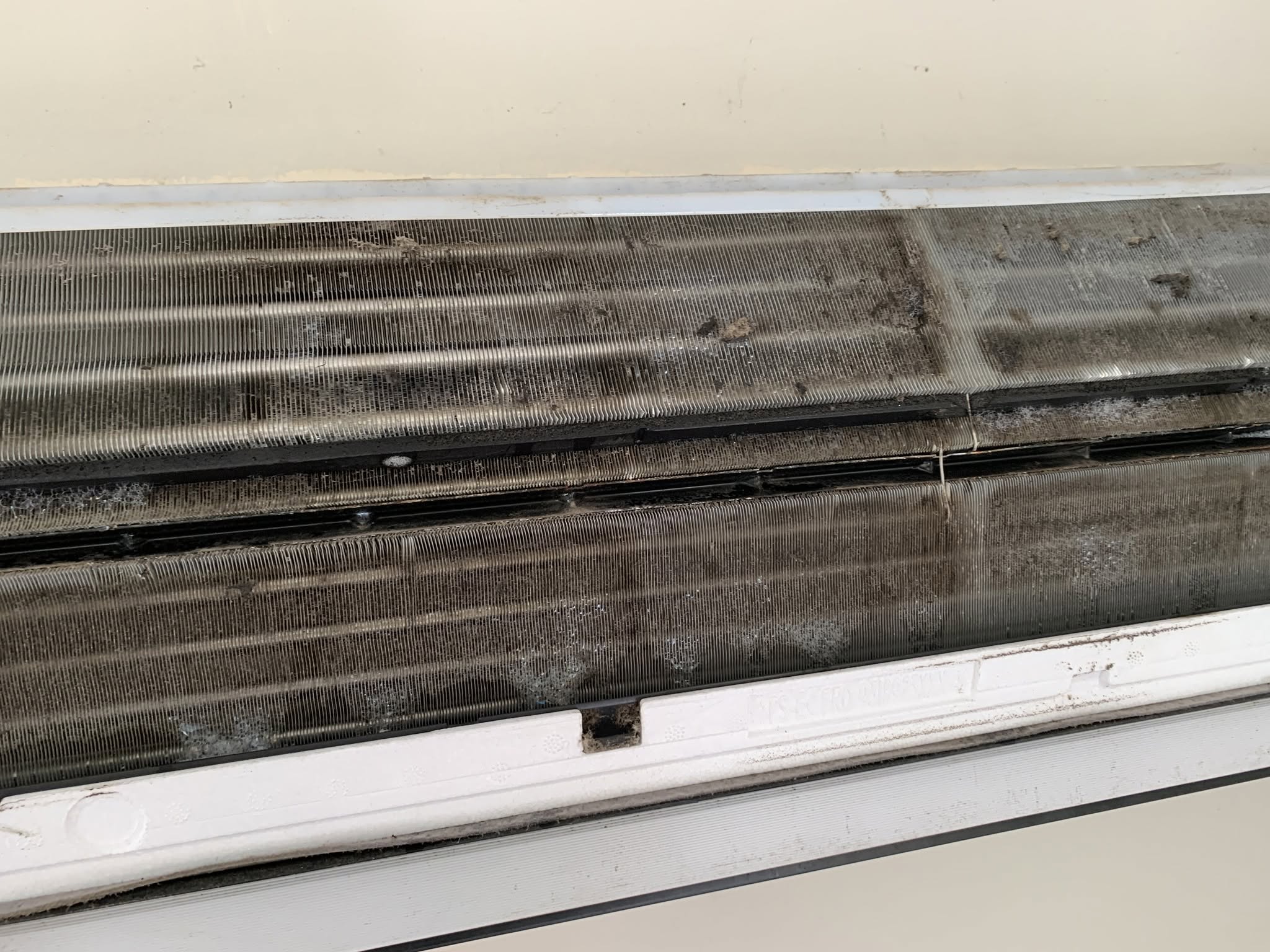
Dirty indoor coil
Moisture and dust can contribute to mould and reduced airflow.
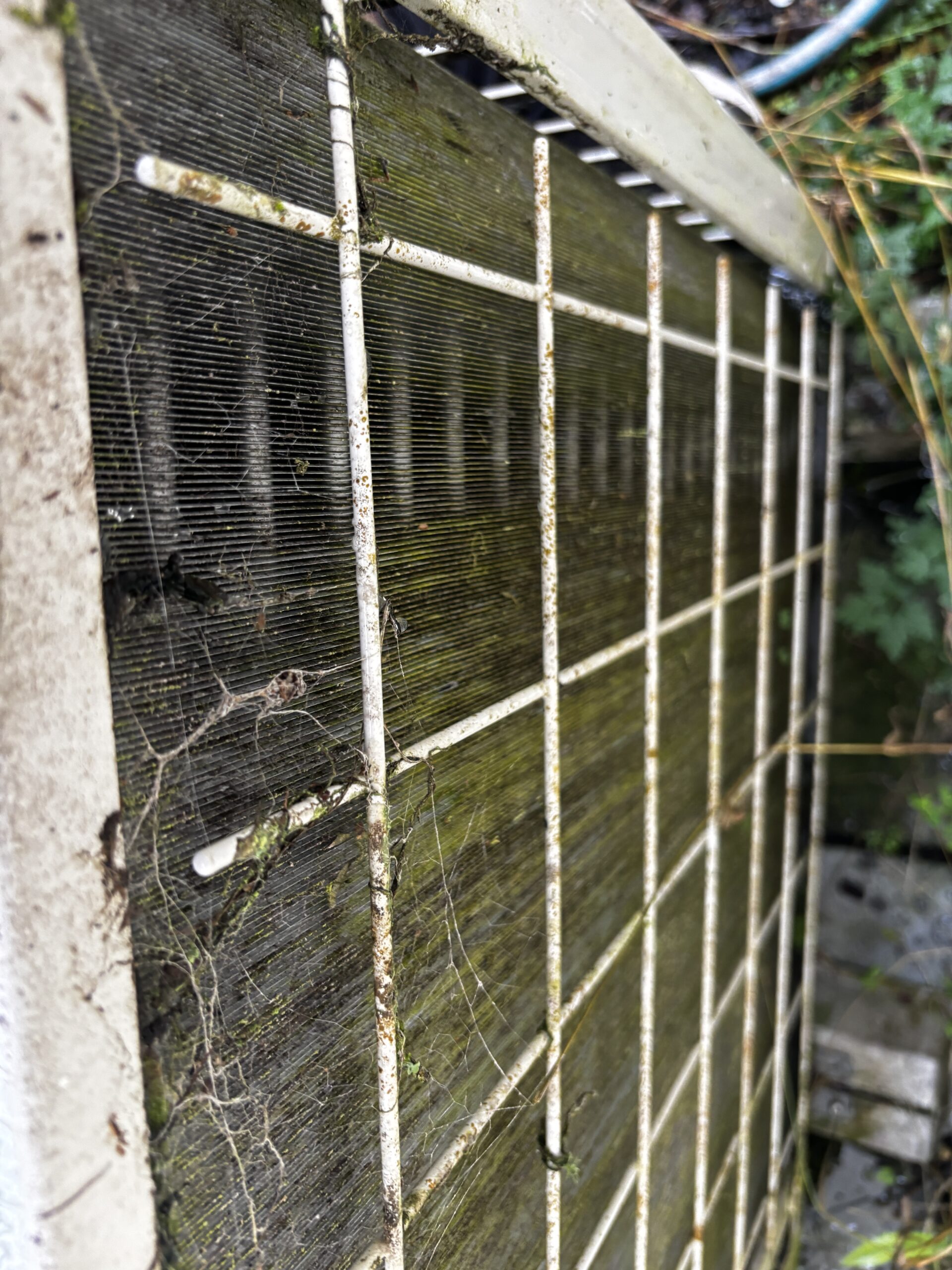
Dirty outdoor coil
Blocked outdoor coils reduce heat transfer and efficiency.
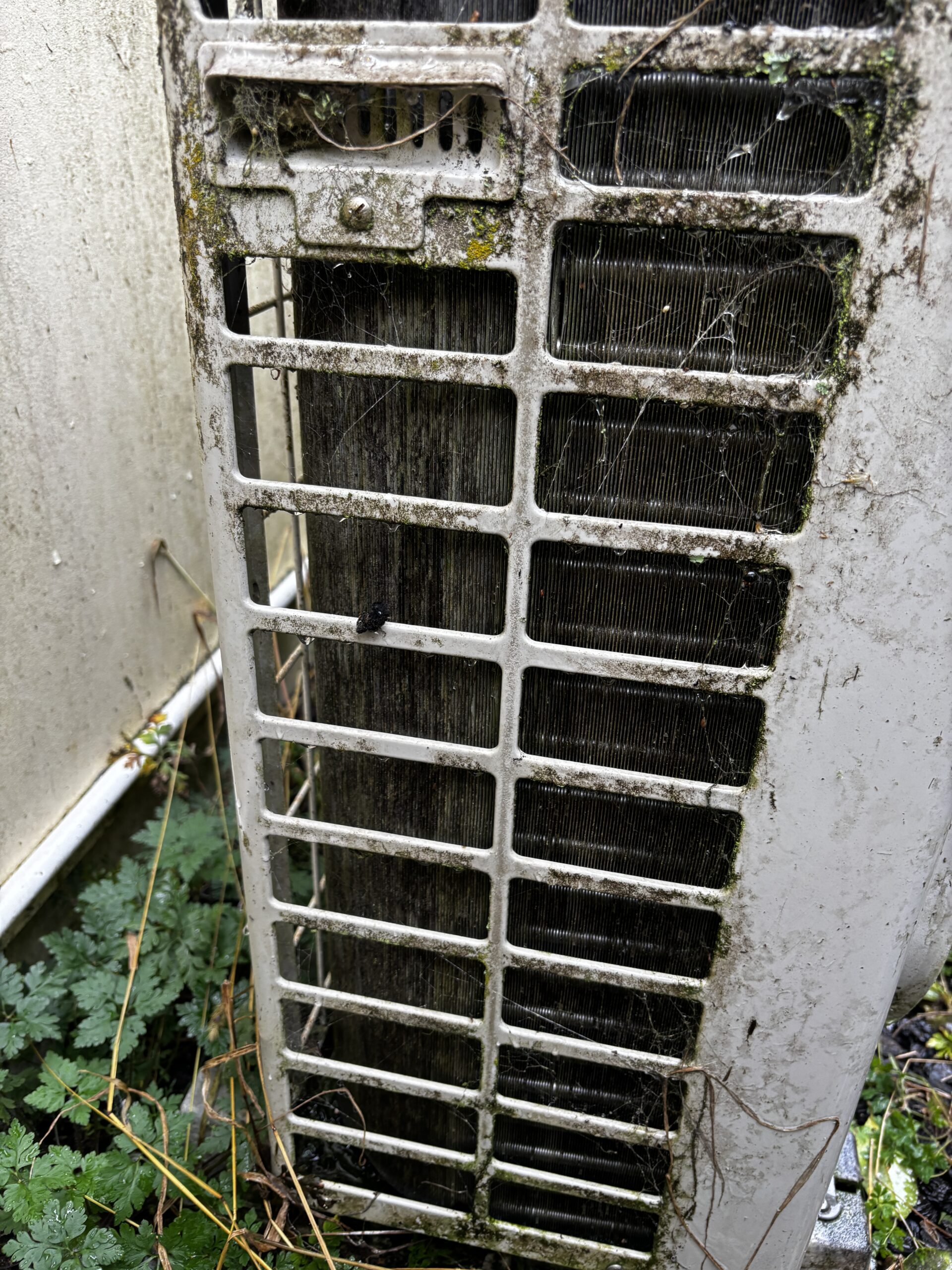
Restricted airflow
The outdoor unit needs clear airflow to perform properly.
Frequently Asked Questions
Is it cheaper to leave my heat pump on all day?
It depends on the home, insulation and how long you are away. In many cases, using a timer to warm the room before you need it is more economical than running it all day in an empty home.
Does setting a heat pump to 30°C heat faster?
No. It generally just makes the heat pump keep heating for longer until it reaches a higher temperature.
Why does my heat pump steam outside?
It may be in defrost mode. This is normal in cold, damp or frosty conditions.
Can I wash my own filters?
Yes, most basic filters can be removed and cleaned by the homeowner. Always follow the manufacturer’s instructions.
How often should I service my heat pump?
Filter cleaning should be regular, and an annual professional service is a good allowance to help maintain efficiency.
Why does my heat pump smell?
Odours can come from mould, dust or moisture build-up inside the indoor unit. Cleaning and servicing usually helps.
Why is my power bill higher this winter?
Colder weather, higher electricity rates, longer run times, dirty filters, poor insulation and frost cycles can all increase running costs.
Is a heat pump cheaper than a wood fire?
It depends. Free dry firewood can be very economical. Bought firewood plus time, storage and chimney maintenance changes the comparison.
Does Eco mode save money?
It can, depending on the model and how it controls fan speed, compressor output and set temperature. The biggest savings usually come from sensible temperature settings, good insulation and clean filters.
Is it cheaper to run a heat pump overnight?
If you are on a cheaper night-rate plan, it can be cheaper per hour. The total cost still depends on how many hours you run it and how much heat the home loses overnight.
Does a dirty outdoor coil increase running cost?
Yes. A blocked outdoor coil reduces airflow and heat transfer. That can lower efficiency and make the system work harder.
Does servicing really save money?
Servicing is mainly about keeping the system clean, efficient and reliable. A badly blocked coil or filter can increase running times and put extra pressure on components.
Is a bigger heat pump cheaper to run?
Not automatically. A correctly sized heat pump is the goal. Too small can run flat out; too large may cost more upfront and may not be ideal for the room.
Does a heat pump cost more on frosty mornings?
Often yes. Cold outdoor temperatures and defrost cycles can reduce efficiency and increase running cost compared with milder conditions.
What is the cheapest temperature to run a heat pump?
The cheapest setting is the lowest comfortable winter temperature. For many homes that is around 18–21°C, but comfort varies between households.
Does cooling in summer cost the same as heating in winter?
Not necessarily. Cooling cost depends on outdoor temperature, humidity, sun exposure, insulation and the set temperature. Heat pumps are generally efficient for cooling as well.
Do heat pumps use power when they are on standby?
Yes, but standby use is usually small compared with active heating or cooling. The main cost comes from running the compressor and fans.
Can curtains and insulation really change the running cost?
Yes. Anything that reduces heat loss helps the heat pump maintain temperature with less work.
Related Guides
To keep this page focused on running costs, some deeper topics are best covered in their own guides.
Need help choosing the right heat pump?
Practical local advice for Te Awamutu, Cambridge, Waipā and the wider Waikato region.