
Why Are My Lights Flickering?
A practical New Zealand homeowner guide covering loose lamps, old switches, batten holders, LED drivers, dimmers, halogen downlights, old wiring, loose connections and when flickering lights should be treated seriously.
Why are my lights flickering? Quick Answer
Flickering lights can be caused by something simple, such as a loose lamp, worn batten holder, old light switch, faulty LED driver, incompatible dimmer or ageing halogen transformer.
However, flickering can also be a warning sign of a more serious electrical issue, including loose connections, old wiring, switchboard faults, meter board faults, supply issues or a loose neutral. If more than one light is flickering, or the problem is getting worse, it should be checked by a licensed electrician.
What you’ll learn
- Why one light may flicker
- How loose screw-in lamps cause faults
- Why old light switches wear out
- How batten holders fail with age
- Why LED drivers can flicker
- Why old dimmers cause LED problems
- Why halogen downlights are painful
- When flickering lights are urgent
Before you panic
Not every flickering light means your house needs rewiring. Many lighting faults are simple and local to one fitting, lamp, switch, dimmer or driver.
The important thing is to notice the pattern. Is it one light, one room, or the whole house? Does it happen when an appliance starts? Is there buzzing, burning smell, sparking or lights getting brighter and dimmer? Those clues matter.
One loose lamp, old batten holder, failed LED driver, worn switch or one faulty light fitting.
One room flickering, dimmer problems, old halogen fittings, voltage drop or repeated lamp failures.
Whole-house flickering, burning smell, buzzing, sparking, warm fittings or lights getting brighter and dimmer.
Quick Checks First
| Only one light flickers | Often a loose lamp, worn batten holder, poor lamp contact, faulty LED lamp, LED driver, old dimmer or light switch. |
| One room flickers | Could be a fault on one lighting circuit, switch, fitting, junction, dimmer or connection. |
| Whole house flickers | More serious. Could be a supply issue, loose neutral, switchboard fault, meter board fault or network issue. |
| Lights dim when appliances start | Can be caused by voltage drop when larger loads start, such as heat pumps, ovens, kettles, pumps or EV chargers. |
| Flickering after LED upgrade | May be LED lamp quality, old dimmer compatibility, LED driver issues, old transformer issues or poor connection at the fitting. |
| Burning smell, buzzing or sparking | Turn off the affected circuit if safe to do so and call an electrician urgently. |
Is It Just One Light Flickering?
If only one light is flickering, start with the simple causes first. In many homes, a single flickering light is not a switchboard fault or a problem with the whole house wiring.
Common causes include a loose lamp, worn lamp holder, old switch, faulty LED lamp, loose terminal, failed LED driver or poor contact inside the light fitting.
The key question is whether the problem is isolated to one light fitting or happening across several lights. One light flickering usually points to a local fault. Multiple lights flickering together can point to something further upstream.
Loose Screw-In Lamps Are a Big Culprit
One of the most common causes I find on flickering light call-outs is a poor connection between a screw-in lamp and the lamp holder.
This is especially common with older recessed downlights and Edison Screw lamp fittings. The electrical contact is made between the small centre contact on the base of the lamp and the contact inside the fitting. If the lamp is not fully screwed home, that contact can be poor or intermittent.
There are two common reasons this happens. First, people are often worried about screwing the lamp in too tightly because they are afraid they will not be able to get it out again. Second, the lamp can feel tight even though it is not fully seated. The metal thread can bind against the fitting before the centre contact has made a solid electrical connection.
When that contact is poor, the light may flicker, cut in and out, or burn out lamps earlier than expected.
Only apply soap or wax to the threaded metal section. Do not apply anything to the centre electrical contact.
Old Light Switches Can Cause Flickering Lights
If your home still has old light switches, they can be a very common cause of flickering lights.
Older switch mechanisms have often done decades of work. The internal spring-loaded mechanism can become worn, and the contacts inside the switch can arc, spark or fail to make a clean connection. This poor connection can cause the light to flicker, buzz, crackle or operate intermittently.
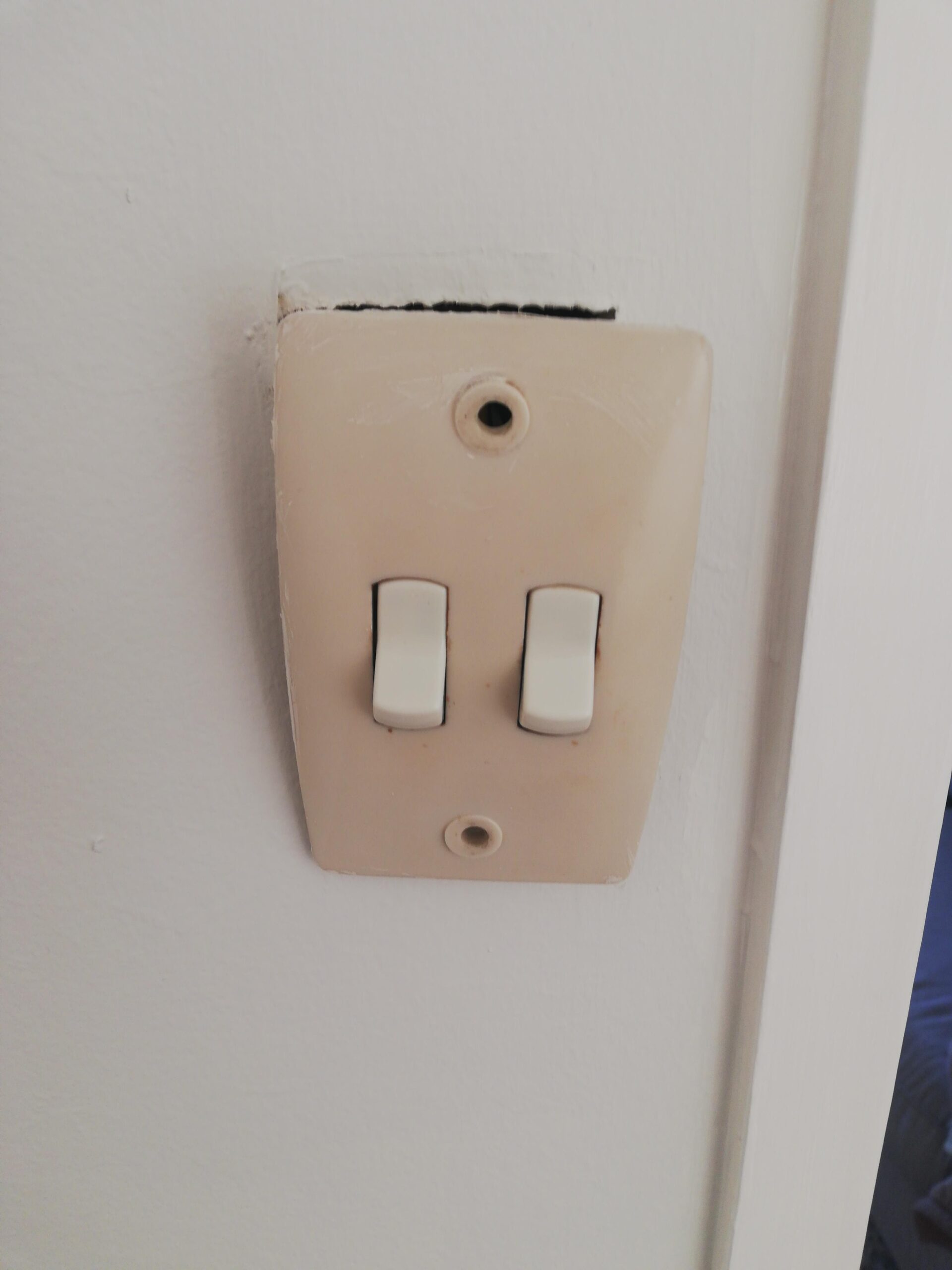
Old switchgear can also be a clue about the age of the rest of the installation. If the switches are original, there is a reasonable chance the wiring, fuse protection, switchboard, meter board or main switch may also be old and worth checking.
If you are in an older home with old switchgear and ongoing flickering lights, it is a good idea to have the installation inspected by a professional electrician.
Old Batten Holders Are Another Common Cause
Batten holders are the basic plastic lamp holder fittings found in many homes. They are cheap, common and reliable when new, but they are not designed to last forever.
Inside a batten holder are small spring-loaded contacts that press against the lamp. Over time, these contacts can lose their spring tension. When that happens, they no longer apply firm pressure to the lamp, creating a poor electrical connection.
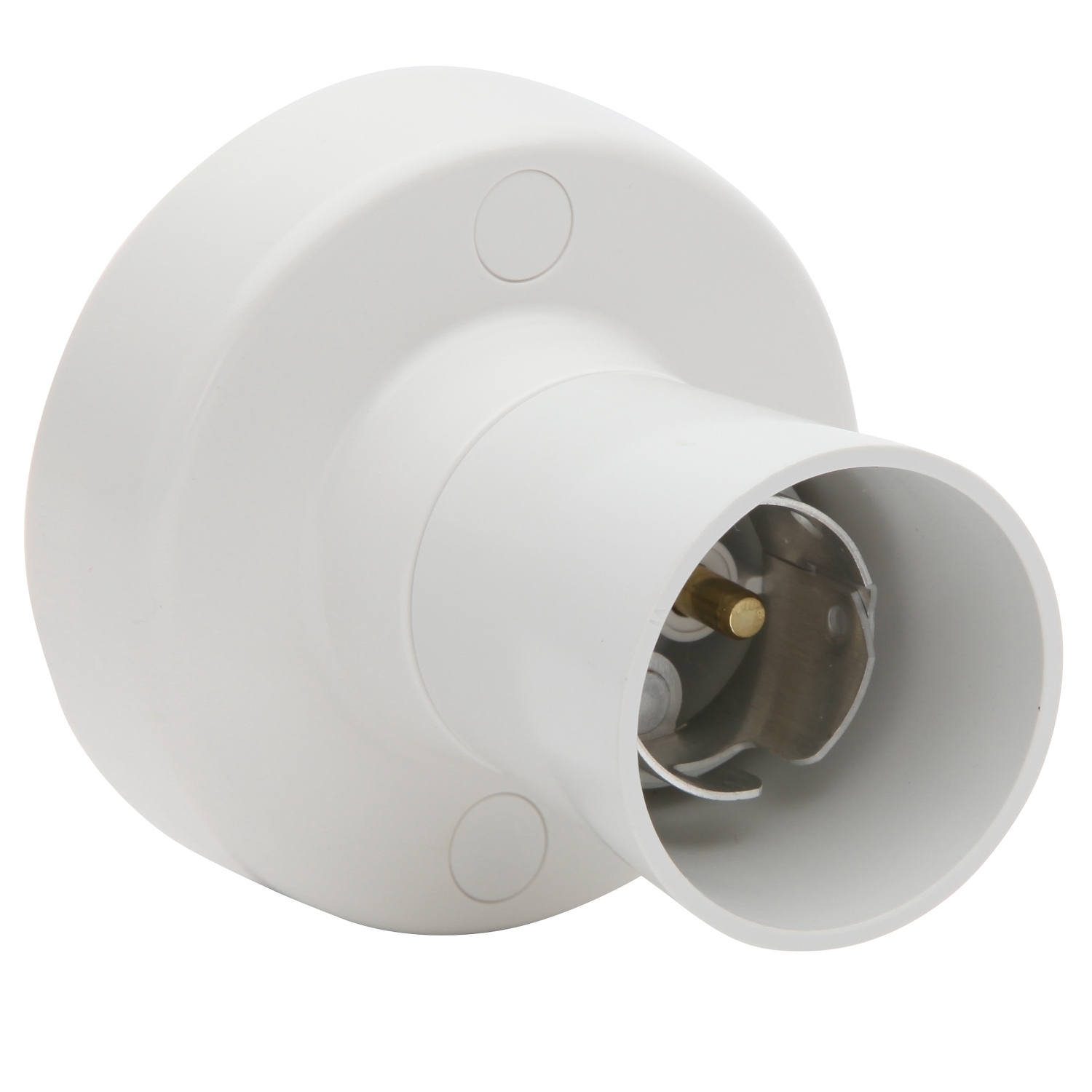
A worn batten holder can cause flickering, intermittent operation, buzzing, heat build-up and premature lamp failure. If the fitting looks old, yellowed, brittle or damaged, replacement is often a relatively simple and cost-effective repair.
Loose connections in recessed downlights, batten holders and switches can all cause flickering lights and early lamp failure.
LED Lights Can Flicker When the Driver Starts to Fail
LED lights are now installed in almost every new home and have become one of the most popular lighting upgrades for older properties. They’re incredibly energy efficient, produce very little heat and generally last much longer than the old halogen lights they replaced.
If one of your LED lights starts flickering, don’t immediately assume there is something seriously wrong with your house wiring.
In many cases the problem is simply the LED fitting itself or the small electronic driver that powers it.
Most modern LED downlights contain either an internal LED driver or a separate driver mounted above the ceiling. As these electronic components age they can begin to fail, causing the light to flicker, pulse, flash, randomly turn off or only work intermittently.
If only one LED downlight is flickering while the rest of the house is working normally, the fault is often isolated to that individual fitting rather than the electrical installation itself.

Old Dimmers and New LED Lights Often Do Not Mix
Dimmers are another very common cause of flickering or strobing LED lights, particularly after homeowners upgrade from halogen lighting.
If your home originally had halogen or incandescent lights, the existing dimmer was most likely designed to operate those older style lamps. Once those lamps are replaced with modern LEDs, the dimmer may no longer be compatible.
This can result in:
- Lights flickering.
- Lights strobing.
- Lights pulsing.
- Lights dropping out at low brightness.
- Buzzing dimmers.
- Lights refusing to dim smoothly.
Even if the LED lamps are labelled “Dimmable”, they still need to be matched with a suitable LED-compatible dimmer. Not every LED lamp works correctly with every dimmer.
In many cases the solution is simply replacing the original dimmer with a modern LED-compatible dimmer. If dimming is no longer required, another option is to remove the dimmer altogether and install a standard light switch.
The Dreaded Old Halogen Downlights
Ah yes… the old halogen downlight.
Back in the early to mid-2000s these were considered the latest and greatest lighting technology. Almost every new home being built in New Zealand was fitted with halogen downlights because they looked modern and produced a bright white light.
Fast forward twenty years and they’ve become one of the lighting systems I spend the most time repairing.
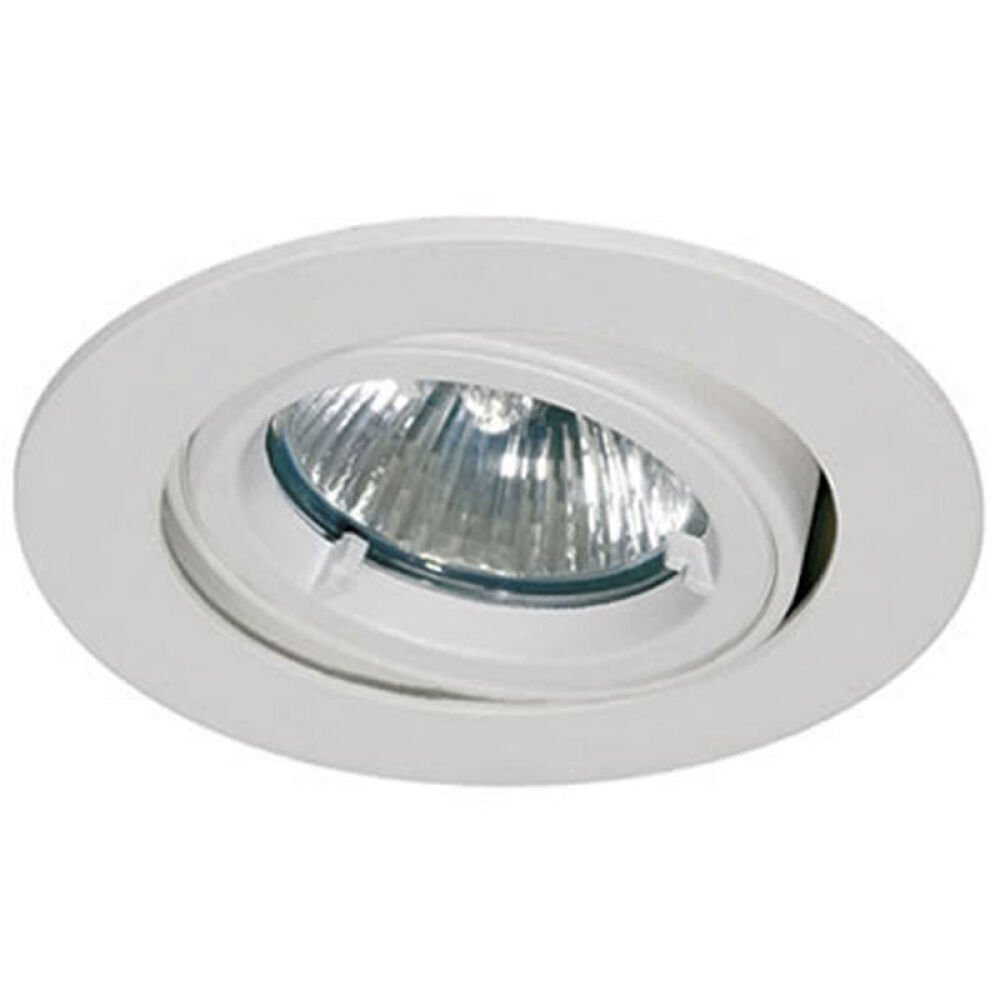
Three Components Can Cause Flickering
If your home still has the original 20W or 50W halogen lamps installed, there are generally three possible causes of flickering.
Because these fittings have operated for many years at very high temperatures, all three components can deteriorate over time.
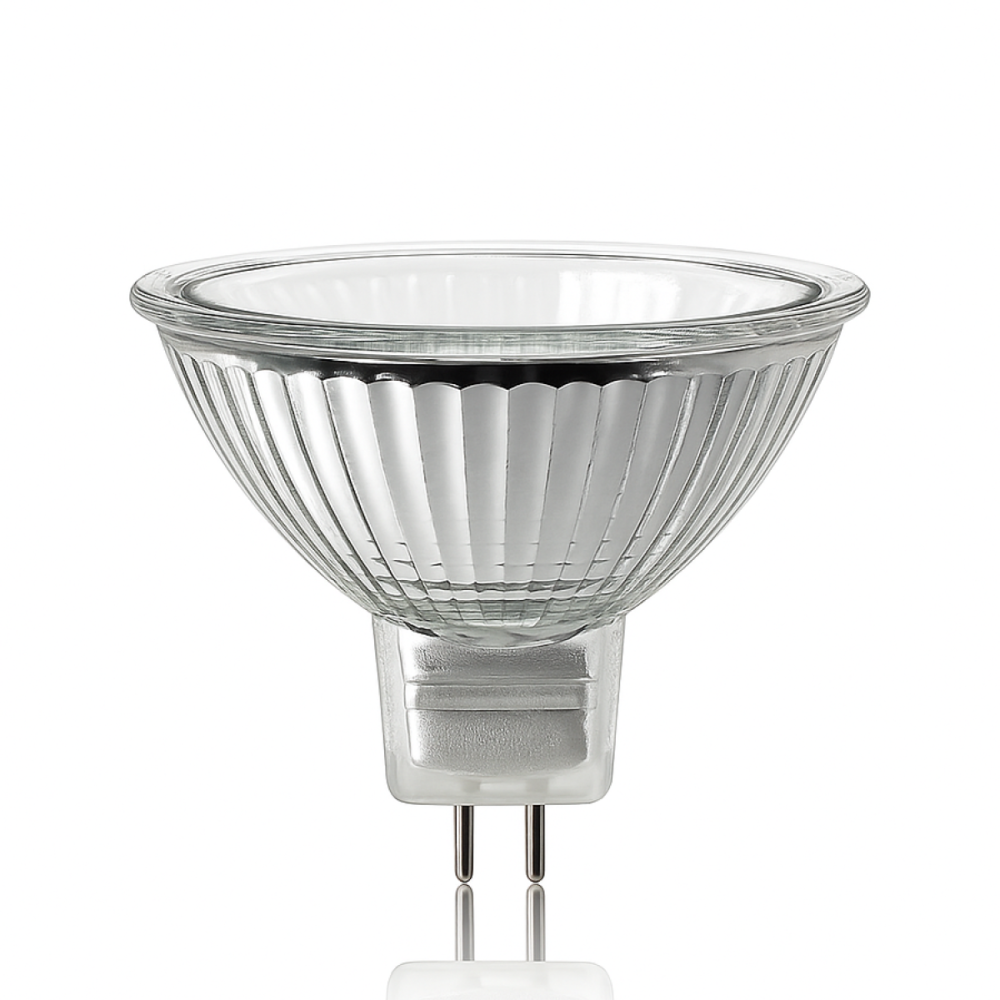
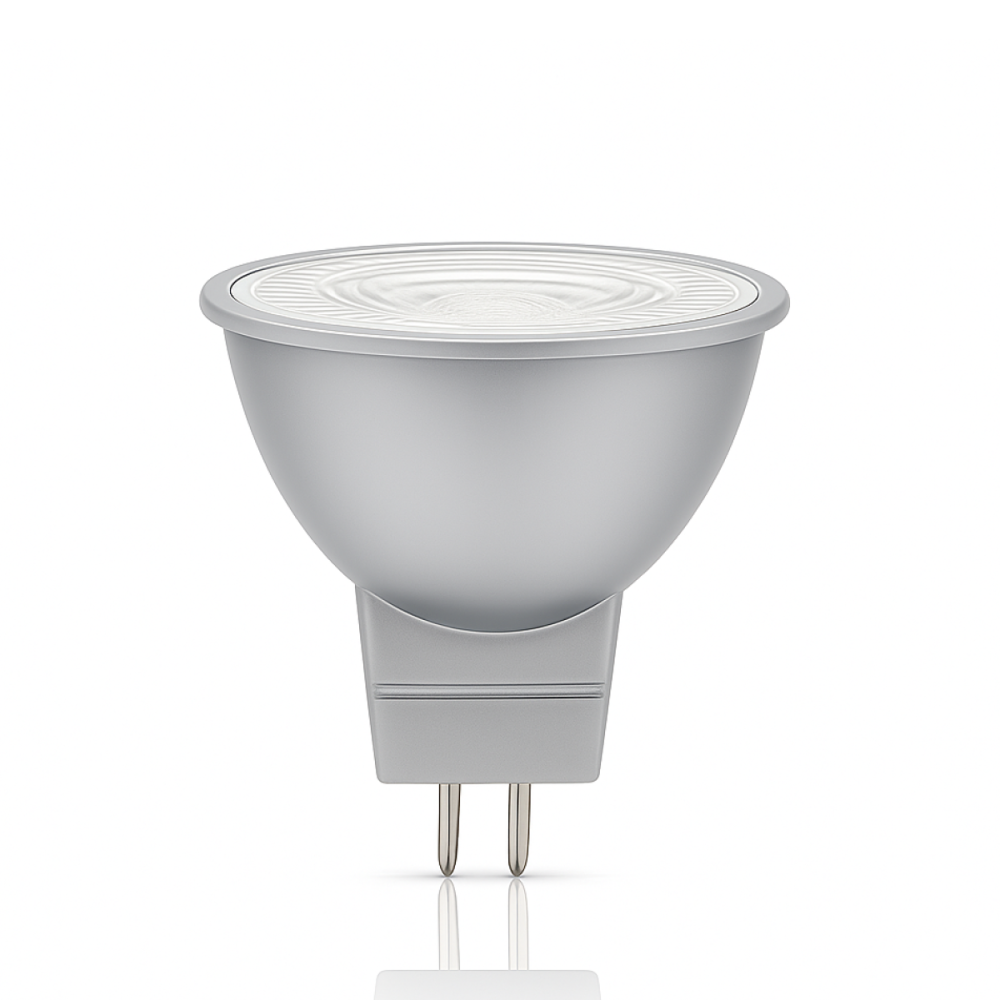
Why LED Replacement Lamps Often Flicker
Many homeowners replace their old halogen lamp with a modern 6–8 Watt LED MR16 purchased from Mitre 10 or Bunnings.
Sometimes it works perfectly.
Sometimes it flickers.
Sometimes it doesn’t work at all.
The problem is usually the original transformer.
Most older halogen transformers were designed to operate between approximately 20–60 Watts. If you install a modern 7 Watt LED lamp, the transformer often doesn’t detect enough electrical load to operate correctly.
This can cause flickering, flashing, pulsing or complete failure to operate.
The best solution is usually to replace the old transformer with a modern LED-compatible transformer rated from approximately 0–70 Watts.
While carrying out this upgrade, I also recommend replacing the original ceramic lamp holder. After years of carrying over four amps of current to a hot 50 Watt halogen lamp, these lamp holders are often burnt, brittle or heat damaged and can also contribute to flickering.
Do Your Lights Flicker When Large Appliances Turn On?
Not every flickering light is caused by the light fitting itself. Sometimes the lights only flicker when another appliance around the home starts operating.
You may notice your lights briefly dim when the heat pump starts, the oven begins heating, the kettle is switched on, a water pump starts, or even when an EV charger begins charging your vehicle.
This is known as voltage drop. Every electrical cable has a small amount of resistance, so whenever a large electrical load starts, there is a brief drop in voltage as the current increases.
A small, momentary dimming of the lights can be perfectly normal, particularly in larger homes, rural properties with long mains cables or installations where several high-powered appliances are operating at the same time.
Common Appliances That Can Cause Voltage Drop
A small, momentary dimming of the lights can be perfectly normal, particularly in larger homes, rural properties with long mains cables or installations where several high-powered appliances are operating at the same time.
Modern inverter heat pumps generally start much more gently than older fixed-speed units, so they usually cause very little noticeable voltage drop. If your lights dim significantly every time your heat pump starts, or the flickering has recently become worse, it may indicate another electrical issue that is worth investigating.
When Should You Be Concerned?
A very slight dimming of the lights for a fraction of a second when a large appliance starts is generally considered normal.
However, you should investigate further if:
- The lights dim dramatically every time an appliance starts.
- The lights continue flickering after the appliance has started.
- The lights brighten as well as dim.
- Multiple rooms are affected.
- The problem has recently become worse.
- You notice buzzing, burning smells or warm switches at the same time.
These symptoms may indicate something more serious than normal voltage drop, such as undersized cabling, loose electrical connections, switchboard faults or a developing neutral problem.
Could Flickering Lights Be Caused by Old Wiring?
No homeowner wants to hear this, but in some older homes, flickering lights can be related to ageing electrical wiring.
If your home still contains original Vulcanised Indian Rubber (VIR) wiring, early rubber-insulated cables or older conduit wiring systems, the wiring may simply be reaching the end of its useful life.
One of the biggest problems with this type of wiring is that it often appears to be perfectly fine until it is disturbed.
Over many decades the rubber insulation naturally dries out and becomes brittle. While the wiring may continue working if left untouched, moving it during repairs can cause the insulation to crack or completely fall away from the conductors.

When a Simple Job Becomes a Big Job
This is something I see from time to time in older homes.
A customer may call because a single light is flickering and all they want is a new batten holder or light fitting installed.
Unfortunately, as soon as the old fitting is removed and the existing wiring is moved, the rubber insulation can literally crumble away in your hands.
Once that insulation has failed, the wiring is no longer safe to reconnect.
What started as a simple repair can suddenly become a circuit that needs rewiring before the power can be safely restored.
Loose Electrical Connections Can Become a Serious Fire Risk
While many flickering light problems are caused by worn light fittings or switches, there are times when flickering lights are actually warning you about a loose electrical connection somewhere within your installation.
The loose connection may not even be anywhere near the light itself.
It could be located inside:
- Your switchboard.
- Your meter board.
- A junction box.
- A light fitting.
- A ceiling connection.
- Your mains connection.
- The power company’s pillar or street network.
One of the biggest dangers with loose electrical connections is that they almost never repair themselves.
Instead, they gradually become worse.
Why Do Loose Connections Get Hot?
Think of electricity like water flowing through a pipe.
If the pipe is partially blocked, the water struggles to get through.
Electricity behaves in a similar way.
When a connection becomes loose, electrical resistance increases.
That resistance creates heat.
The hotter the connection becomes, the more it expands and contracts. Over time this often makes the connection even looser, creating even more resistance and even more heat.
This cycle continues until the connection eventually burns, melts surrounding insulation or fails completely.
Unfortunately, loose electrical faults very rarely fix themselves. In almost every case they gradually become worse over time, making the eventual repair more expensive than if they had been addressed early.
One thing I hear quite often from customers is, “It’s been flickering for six months, but I just kept meaning to get around to it.” Unfortunately, electrical faults rarely improve with time—they almost always become worse. Having the problem checked early can often prevent a relatively simple repair from turning into a much bigger and more expensive job.
Could the Problem Be the Power Company’s Fault?
Not every flickering light is caused by a fault inside your home. Sometimes the problem can originate from the electricity network supplying your property.
Storms, high winds, trees contacting overhead lines, damaged service lines, loose network connections and transformer faults can all cause lights to flicker.
A good clue is whether your neighbours are experiencing the same problem. If several nearby houses have flickering lights at the same time, the issue may be somewhere on the local electricity network.
However, don’t automatically assume it’s the power company. Loose neutral connections or poor electrical connections within your own installation can produce very similar symptoms and should always be investigated.
What If the Whole House Is Flickering?
One of the first questions I ask customers when they ring me about flickering lights is:
“Is it just one light… or is the whole house flickering?”
The answer to that question immediately changes where I start looking for the fault.
If Only One Light Is Flickering
If the problem is isolated to one fitting, the fault is usually local to that light. Common causes include a loose lamp, worn lamp holder, faulty LED driver, old switch or a poor electrical connection at that fitting.
If One Room Is Flickering
If every light in one room is flickering, the problem is often somewhere on that particular lighting circuit. This could include a loose connection in a junction box, switch, light fitting or another connection feeding that circuit.
If the Whole House Is Flickering
If lights throughout your entire home are flickering, that’s a much bigger clue.
While it doesn’t always mean there’s a serious fault, it does suggest the problem is further back in the electrical installation rather than being isolated to one fitting.
Possible causes include:
- Loose neutral connections.
- Loose active connections.
- Loose switchboard terminals.
- Meter board faults.
- Main supply connection issues.
- Faults within the local electricity network.
If your lights are flickering throughout the entire house, especially if they are becoming brighter as well as dimmer, I recommend having the installation checked as soon as practical.
Quick Guide: What Does It Usually Mean?
| What You’re Seeing | Most Likely Cause |
|---|---|
| Only one light is flickering | Loose lamp, worn lamp holder, faulty LED driver, old switch or poor connection at that fitting. |
| Every light in one room is flickering | Fault on that lighting circuit, loose connection, junction box, switch or another fitting feeding that circuit. |
| Lights flicker throughout the whole house | Often points to a fault affecting the property’s electrical supply, such as a loose neutral, switchboard connection, mains connection, meter board or, occasionally, an issue with the local electricity network. |
Things You Can Safely Check Yourself
There are a few simple checks homeowners can do before booking an electrician. These checks can help narrow down whether the problem is likely to be a lamp, a fitting, one circuit, or something affecting the whole house.
When Should You Call an Electrician?
You should arrange an electrical check if flickering lights are ongoing, becoming worse, affecting more than one light, or associated with old switches, old batten holders, old wiring or visible damage.
You should treat the issue as more urgent if you notice any of the following:
- Lights flickering throughout the whole house.
- Lights getting brighter and dimmer.
- Burning smell.
- Buzzing or crackling switches.
- Warm light switches or fittings.
- Sparking.
- Breakers or RCDs tripping.
- Flickering that has recently become worse.
- Flickering linked with old rubber wiring or very old switchgear.
A licensed electrician can check the affected fittings, switches, circuit connections, switchboard, meter board and supply points to identify whether the issue is local to one fitting or part of a wider electrical problem.
Chris’s Most Common Causes of Flickering Lights
After attending many flickering light call-outs around Te Awamutu, Waipā, Cambridge and the wider Waikato, these are the faults I find most often:
Signs Your Flickering Lights Could Be Dangerous
While many flickering lights are caused by relatively minor faults, there are situations where flickering can indicate a much more serious electrical problem.
If you notice any of the following warning signs, I recommend arranging an electrician as soon as possible.
Frequently Asked Questions
Why do my lights only flicker occasionally?
Intermittent flickering is often caused by loose electrical connections, worn switches, LED drivers, dimmers or appliances creating voltage fluctuations. Because the fault isn’t always present, it can sometimes take a little investigation to locate.
Are flickering LED lights dangerous?
Not necessarily. Many flickering LED lights are simply suffering from a failed LED driver or an incompatible dimmer. However, they should still be checked if the problem continues or is affecting multiple lights.
Why do my lights flicker when my heat pump starts?
A slight dip can be perfectly normal as larger appliances start. However, significant flickering or lights becoming brighter and dimmer should be investigated.
Can an old light switch cause flickering?
Yes. Old switch contacts wear over time and can arc or make poor electrical contact, causing intermittent flickering.
Can a loose neutral cause flickering lights?
Yes. Loose neutral connections are one of the more serious causes of flickering lights and should always be investigated promptly.
Can the power company cause flickering lights?
Yes. Storm damage, loose network connections and transformer faults can all affect your electrical supply. If nearby neighbours are experiencing the same problem, the issue may be outside your property.
Should I ignore flickering lights if they eventually stop?
No. Electrical faults rarely repair themselves. In most cases they gradually become worse over time.
Should I replace the lamp first?
If only one light is flickering, replacing the lamp is a sensible first step. If the problem continues, the fitting, switch, lamp holder or wiring should be checked.
Chris’s Final Advice
Hopefully this guide has helped you understand that flickering lights aren’t always a major electrical fault. Many of the jobs I attend turn out to be something relatively straightforward, such as a loose lamp, worn switch, ageing batten holder or a failed LED driver.
That said, flickering lights should never simply be ignored. They can also be the first warning sign of a loose electrical connection, ageing wiring or a developing fault elsewhere in your installation.
My advice is simple: if the problem is persistent, becoming worse, affecting multiple lights or showing any of the warning signs discussed in this guide, have it checked sooner rather than later. Catching a fault early is often much simpler and less expensive than waiting until it becomes an emergency.
Related Guides
← Return to the COE Knowledge Centre
To keep this guide focused, these related questions are covered in their own Knowledge Centre articles.
Still Can’t Work Out Why Your Lights Are Flickering?
Chris Odlum Electrical provides professional electrical fault finding throughout Te Awamutu, Cambridge, Waipā and the wider Waikato. If your lights continue flickering, I’d be happy to help diagnose the cause.